Destination Guides
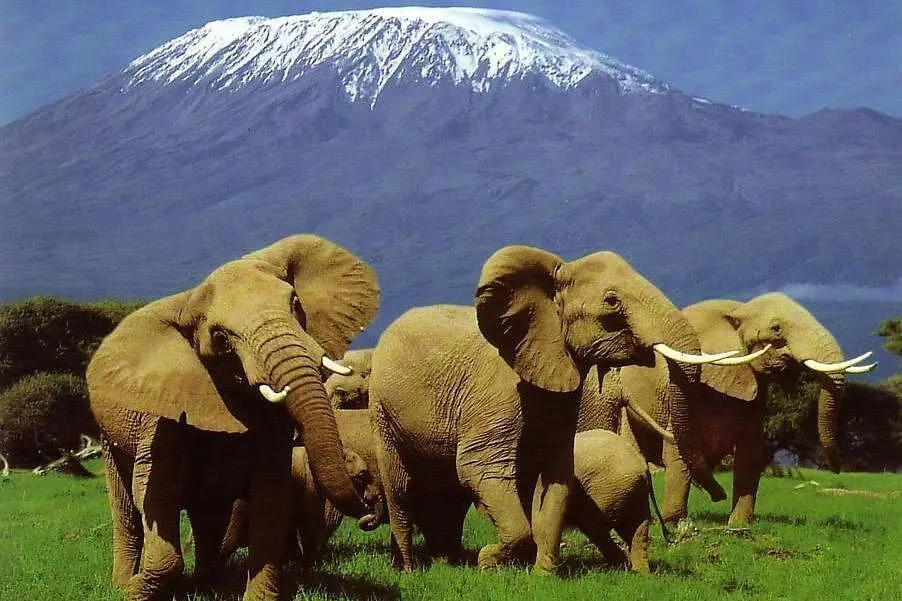
Kenya's wildlife didn't survive by accident — it survived because of extraordinary conservation work led by communities, rangers, and conservancies.
Every safari traveller arriving in Kenya is, knowingly or not, supporting one of the most ambitious conservation experiments on Earth. Community conservancies — land owned and managed by local Maasai, Samburu, and Laikipia communities — now protect more wildlife area than the national parks themselves.
Organisations like the Northern Rangelands Trust, Ol Pejeta Conservancy, and the Mara Conservancies have shown that protecting wildlife only works when local people benefit directly.
When you stay at a conservancy lodge, a share of your nightly fee goes straight to the community — funding schools, clinics, and ranger salaries.
We deliberately weight our itineraries toward conservancies. The wildlife is just as good (often better, with night drives and walking safaris allowed), and your trip supports the people who keep this wilderness alive.
The ranger who guided our bush walk had protected this land for 18 years. His knowledge, his pride, his connection to these animals — that is what conservation looks like in person.
Community conservancies now protect more land in Kenya than the national parks themselves. The Northern Rangelands Trust alone supports 43 conservancies covering 42,000 km² — land owned and managed by Maasai, Samburu, and Laikipia communities who have turned wildlife into their most valuable economic asset. When you stay at a conservancy lodge, your money funds this directly.
Over 22,000 rangers protect Kenya's wildlife, many of them from the communities that historically hunted the same animals. The shift from poacher to protector — driven entirely by the economic opportunity tourism creates — is one of conservation's greatest success stories. Several lodges offer ranger walk-alongs where you hear these stories directly.
Blue Lilac deliberately weights itineraries toward community conservancies and private reserves. The wildlife experience is superior (night drives, walking safaris, fewer vehicles), and the financial benefit to conservation is direct. A share of every booking also goes to wildlife and community initiatives through our conservation partnerships.
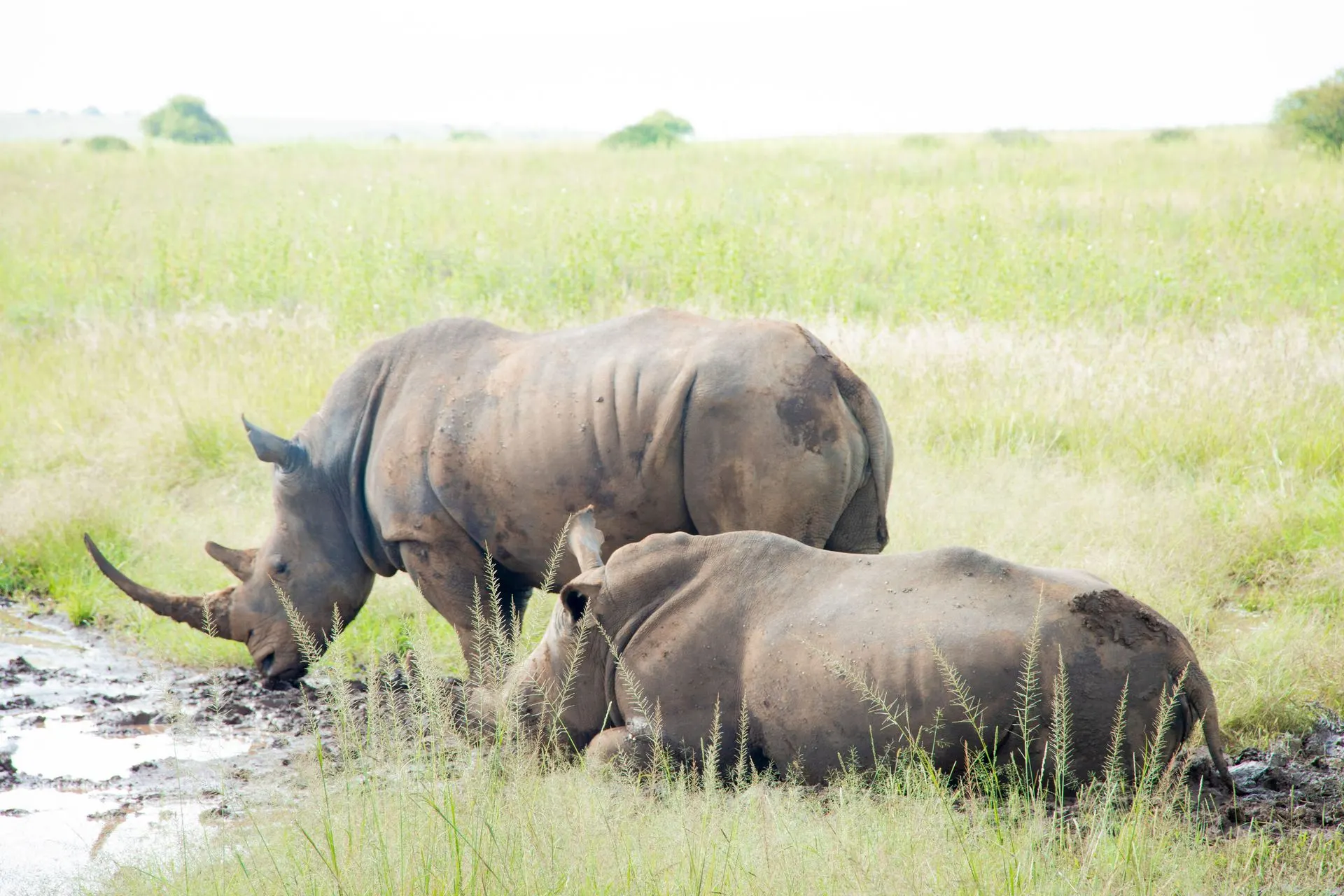
Kenya's black rhino population has recovered from 254 individuals in 1984 to over 750 today — entirely through conservation effort. Elephant populations in community areas are growing. The Maasai Mara's lion population is one of the densest on earth. These are not accidents; they are the result of decades of commitment that your safari visit continues to fund.
Tell us your dates and interests — we will design a private safari built around them.
Yes, directly and significantly. Tourism revenue funds rangers, anti-poaching operations, veterinary care, habitat management, and the community payments that make local people into conservation allies rather than threats.
A community conservancy is wildlife land owned and managed by local communities — Maasai, Samburu, Laikipia, and others — who receive direct economic benefit from the tourism their wildlife generates. They now cover more land than Kenya's national parks.
When done correctly, yes. The key markers are: is the community benefiting directly? Are guests limited to protect wildlife from overcrowding? Is the operator transparent about where money goes? Blue Lilac only works with operators who meet all three criteria.
Yes. Several conservancies offer researcher walk-alongs, behind-the-scenes rhino tracking experiences, and ranger Q&A sessions. Ask Blue Lilac to include one of these in your itinerary — they are among the most memorable experiences we offer.
Tell us your dates and interests — we will design a private safari built around them.