Destination Guides
Tsavo is Kenya's largest protected wilderness — home to the famous red elephants, Mzima Springs, and a raw, uncrowded safari feel.
Tsavo National Park is split into Tsavo East and Tsavo West and together they form Kenya's largest protected wilderness — over 22,000 square kilometres of bush, lava flows, and palm-fringed rivers.
The park's signature sight is its red elephants — coloured by the iron-rich dust they bathe in. Tsavo East offers open savannah perfect for spotting big herds, while Tsavo West is more rugged with volcanic landscapes, the crystal-clear Mzima Springs, and the Shetani lava flows.
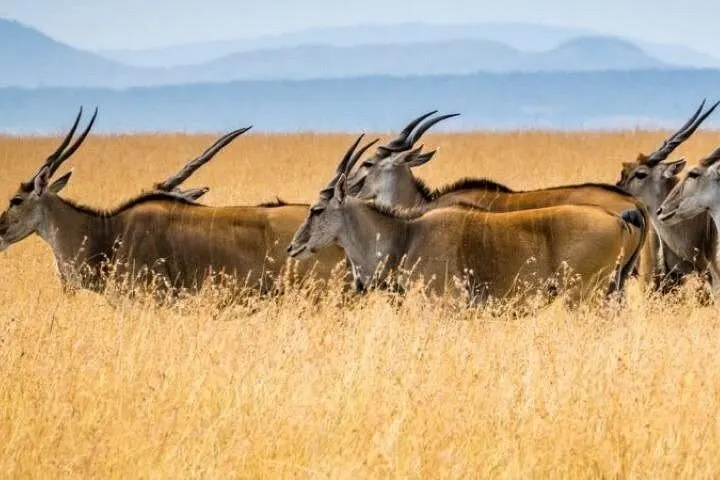
Game viewing is exceptional but less crowded than the Mara. You will often have sightings entirely to yourself — a rare gift on a Kenyan safari today.
Tsavo pairs beautifully with a beach extension to Diani or Mombasa, and is best visited during the dry months of June through October or January to February.
We had a herd of 40 red elephants to ourselves for 45 minutes. Not another vehicle in sight. That is what Tsavo feels like.
Tsavo's elephants are coloured deep terracotta by the iron-rich red dust they bathe in daily — a sight found nowhere else on earth. Tsavo East's open savannah makes spotting large herds straightforward, and the elephants here are among the biggest-tusked in Kenya. Sightings are frequently private, with no other vehicles present.
Deep in Tsavo West, Mzima Springs produces 50 million gallons of crystal-clear water daily from an underground volcanic aquifer. An underwater viewing chamber lets you watch hippos walk along the riverbed and crocodiles float overhead. It is one of Kenya's most extraordinary natural phenomena.
The Shetani lava flows in Tsavo West are a dramatic reminder of the volcanic forces that shaped this landscape 200 years ago. Walking across the cooled lava field with a guide — seeing where the flow consumed everything in its path — is a humbling and visually extraordinary experience.
In Tsavo East, the Galana River creates a dramatic series of rapids and whirlpools at Lugard Falls. Crocodiles sun themselves on the rocks, and the riverbanks are lined with doum palms and wildlife. Sundowner stops here rank among Kenya's most scenic.
Tell us your dates and interests — we will design a private safari built around them.
Tsavo East is larger, flatter, and more open — ideal for big elephant herds and self-drive. Tsavo West is more rugged and scenic, with Mzima Springs, the Shetani lava flows, and the Ngulia rhino sanctuary. Most Blue Lilac itineraries combine both.
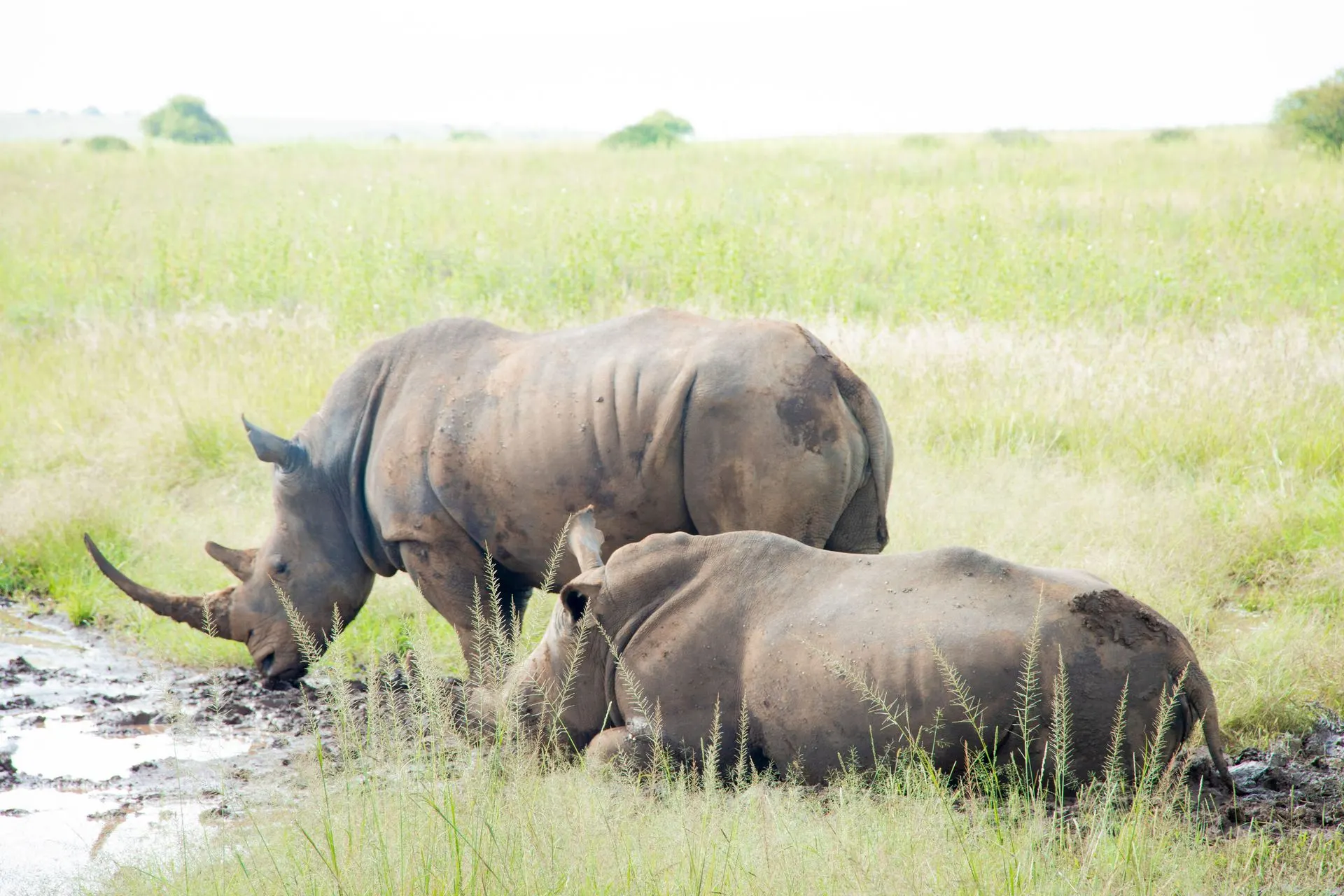
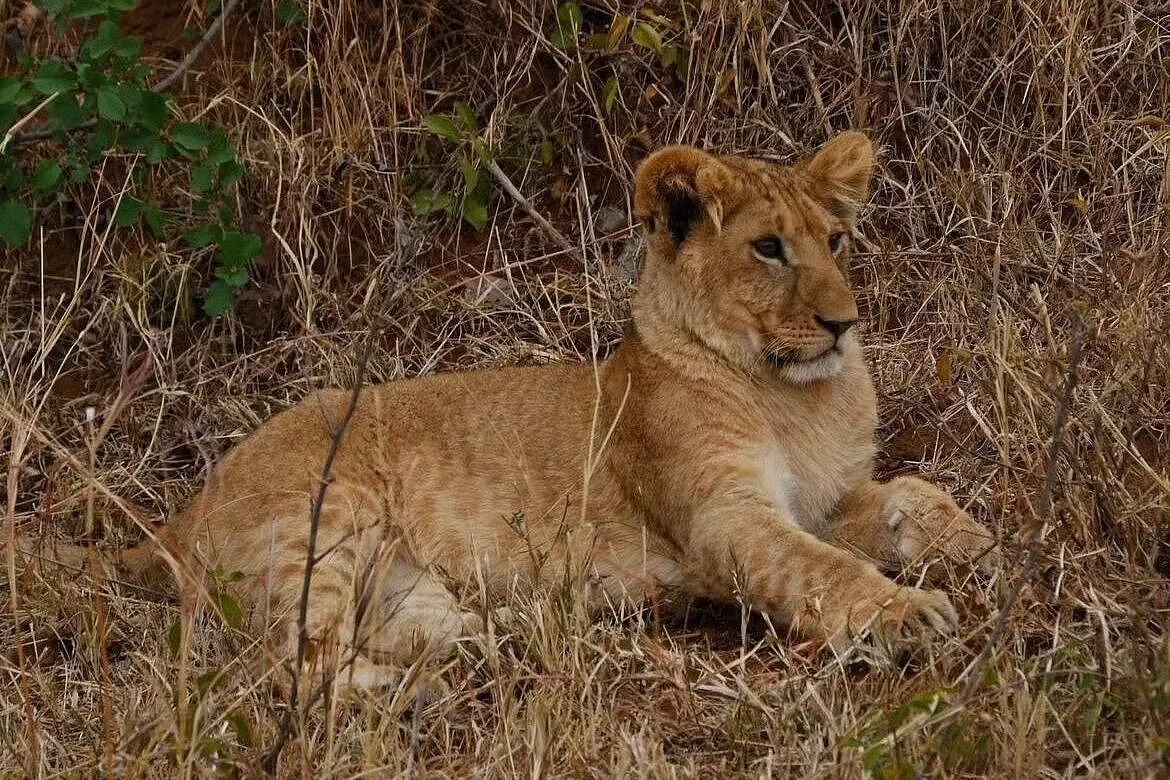
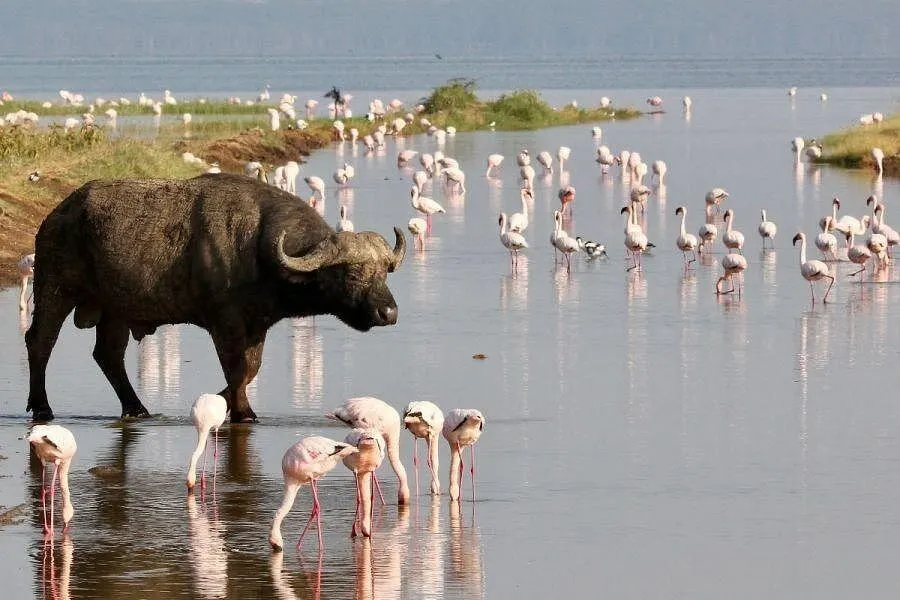
Yes. Tsavo has all Big Five, though rhino are rare and typically spotted in the Ngulia sanctuary in Tsavo West. Lions, elephants, buffalo, and leopard are regularly sighted across both parks.
Tsavo East gate (Voi) is approximately 330 km from Nairobi — about 4.5 hours by road. Tsavo West (Mtito Andei gate) is closer at around 250 km and 3.5 hours.
Perfectly — Tsavo is Kenya's most natural beach-safari combination. Diani Beach and Mombasa are 2 hours from Tsavo East, making a 4-night Tsavo plus 3-night beach itinerary one of Kenya's most satisfying short trips.
Tell us your dates and interests — we will design a private safari built around them.