Destination Guides
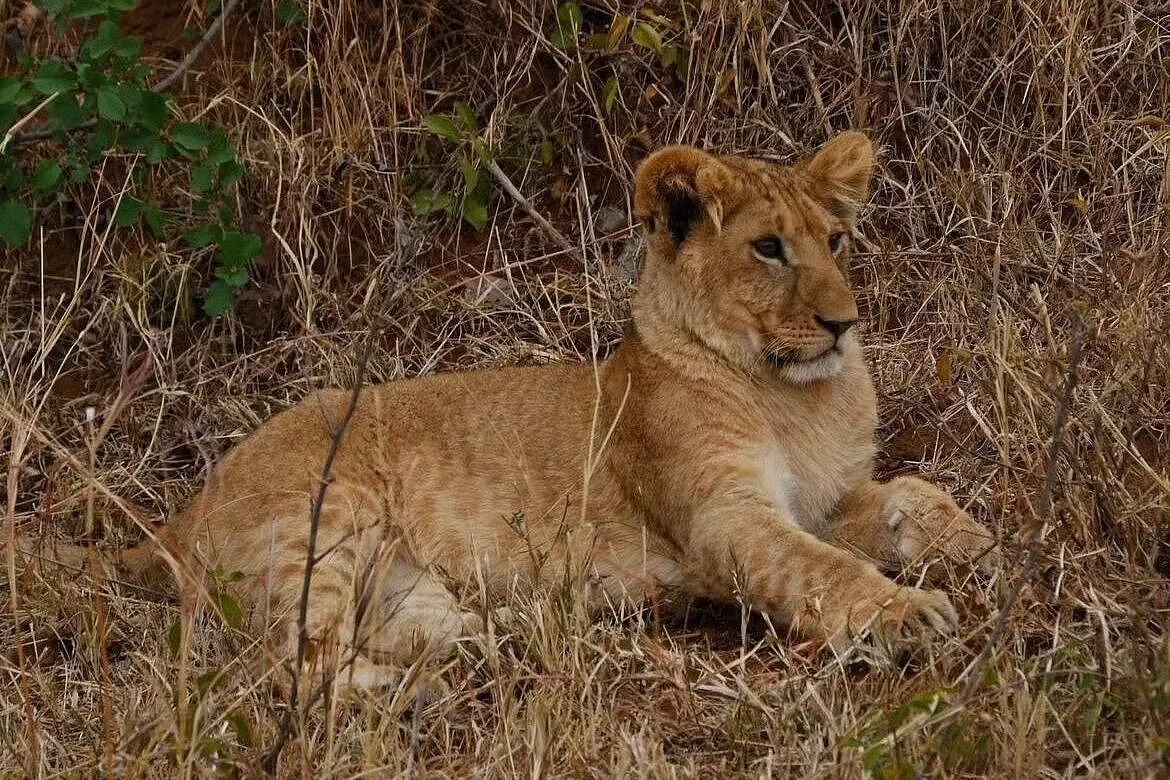
Samburu is northern Kenya's greatest secret — home to the Special Five and a wilder, drier landscape than the southern parks.
Samburu National Reserve lies in Kenya's hot, arid north — a landscape of doum palms, the muddy Ewaso Ng'iro river, and rugged hills. The wildlife here is unlike anywhere else in Kenya.
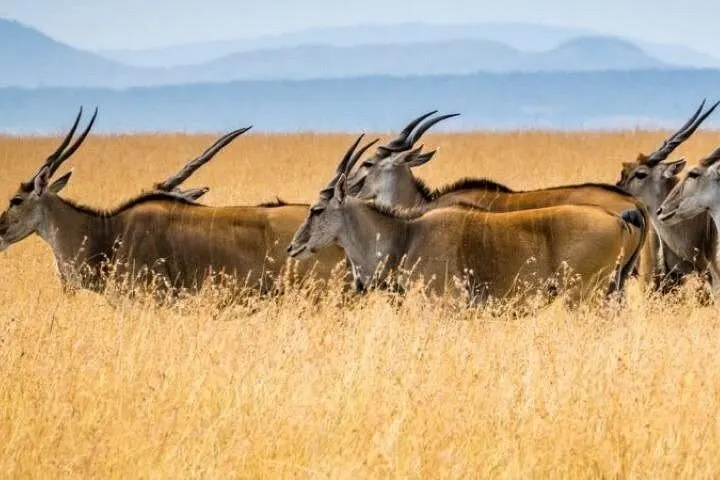
Samburu is famous for the Special Five — Grevy's zebra, reticulated giraffe, Beisa oryx, gerenuk, and Somali ostrich — species you will not find further south. Leopards, lions, and elephants are common along the river.
It is also a cultural highlight. The Samburu people, cousins of the Maasai, live alongside the reserve and many lodges arrange respectful village visits.
Pair Samburu with Ol Pejeta and the Mara for the most complete Kenyan safari you can build.
I had seen hundreds of giraffes in the Mara. But a reticulated giraffe in Samburu — with that completely different coat pattern — felt like seeing the animal for the first time.
Samburu is home to five species found nowhere else in Kenya's southern parks: the reticulated giraffe (a completely different species to the Maasai giraffe), Grevy's zebra (larger, with narrower stripes), Beisa oryx, gerenuk (the giraffe-necked antelope that stands on its hind legs to browse), and Somali ostrich. Spotting all five in a single game drive is common.
The muddy Ewaso Ng'iro river is the lifeblood of Samburu, drawing elephants, lions, leopards, and crocodiles to its banks throughout the day. Game drives along the river produce some of Kenya's most reliable big-cat sightings — particularly leopard, which are seen here with unusual frequency.
The Samburu people — cousins of the Maasai, equally striking in their red ochre and beaded jewellery — live alongside the reserve. Many lodges arrange respectful community visits where you meet warriors, learn about traditional medicine, and understand how a semi-nomadic culture has co-existed with wildlife for centuries.
Like Ol Pejeta, several Samburu lodges offer night game drives revealing the reserve's nocturnal wildlife: aardvarks, striped hyenas, bat-eared foxes, and porcupines. Early morning bush walks with a Samburu guide and armed ranger offer an entirely different perspective on tracking and reading the landscape.
Tell us your dates and interests — we will design a private safari built around them.
Samburu is excellent year-round due to its arid climate with no true rainy season. June to October and January to February offer the driest conditions and best game viewing. The short rains (October to November) bring green landscapes and lower rates.
Samburu is approximately 350 km north of Nairobi — about 5 hours by road or 45 minutes by charter flight to Samburu airstrip. Blue Lilac arranges both road and air transfers.
Absolutely — the classic northern Kenya circuit combines Samburu, Ol Pejeta, and the Maasai Mara in one seamless itinerary. Our 9 Days Northern Frontier Classic Kenya is built around exactly this route.
Exceptionally so. The Samburu-Buffalo Springs-Shaba ecosystem supports over 900 elephants, and many individuals are known by name to researchers. Elephant sightings at the Ewaso Ng'iro river are a daily highlight.
Tell us your dates and interests — we will design a private safari built around them.