Destination Guides
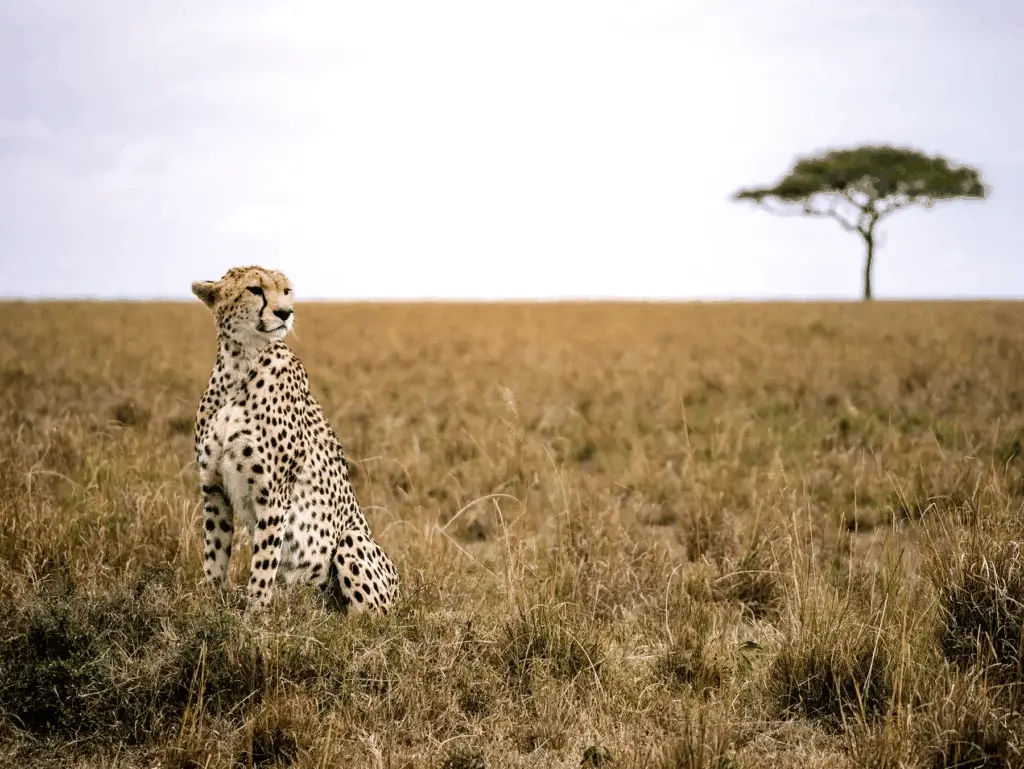
Forget the safari-suit cliché. Here's the practical, tested packing list our guests actually use on Kenya safaris — clothes, gear, and the small things people forget.
Safari packing is all about layers, neutral colours and travelling light — most light-aircraft transfers limit you to 15 kg in a soft duffel bag.
Clothing: 3 to 4 lightweight long-sleeve shirts (khaki, olive, beige — avoid bright white, dark blue and black), 2 pairs of zip-off trousers, a fleece for dawn drives, a wind and waterproof shell, a wide-brim hat, and comfortable closed-toe shoes. Most camps offer same-day laundry.
Gear that matters: binoculars (8x42 is ideal), a camera with a 200 to 400mm zoom, a power bank, sunglasses, high-SPF sunscreen and strong insect repellent (DEET or picaridin).
Do not forget: a refillable water bottle (most camps now ban single-use plastic), a small head torch, prescription medication in original packaging, and crisp US dollars for tips. Visas for Kenya are e-Visa only — apply at least a week before travel.
I packed for two weeks in a soft bag the size of a carry-on. My guide said I was the most organised guest he had ever had. The secret is layers and neutrals.
The golden rule: neutral colours only. Khaki, olive, beige, tan, and grey. Avoid bright white (reflects glare), dark blue (attracts tsetse flies), and black (absorbs heat). Pack 3 to 4 lightweight long-sleeve shirts, 2 pairs of zip-off trousers, a mid-layer fleece for cold dawn drives, a wind and waterproof shell for open vehicles in rain, a wide-brim hat, and comfortable closed-toe shoes. Most camps offer same-day laundry.
Binoculars are non-negotiable — 8x42 is the ideal safari specification (enough magnification, wide enough field of view). For cameras, a lens of 200 to 400mm is ideal for wildlife. Bring a power bank as charging opportunities in remote camps can be limited to certain hours. A dust bag for your camera is useful in dry-season conditions.
High-SPF sunscreen (SPF 50 minimum — the equatorial sun is intense), strong insect repellent with DEET or picaridin for evenings, any prescription medications in original packaging with a copy of your prescription, anti-malarial prophylaxis (confirm with your doctor 4 to 6 weeks before travel), and a basic first-aid kit. Hand sanitiser is provided at most lodges but useful to carry.
A refillable water bottle — most camps now ban single-use plastic and provide filtered water. A small head torch for walking between tents at night. Crisp USD notes in small denominations for tipping guides and camp staff (the most important gesture you can make). A copy of your e-visa confirmation. And a journal — you will want to write things down.
Tell us your dates and interests — we will design a private safari built around them.
Yes — light aircraft transfers (common between parks) typically restrict luggage to 15 kg in a soft-sided bag. No wheels, no hard shells. Blue Lilac provides detailed packing guidance including a weight checklist after booking.
No specialist gear required. Standard lightweight travel clothing in neutral colours works perfectly. Avoid camouflage patterns which are restricted in some East African countries.
No — drones are prohibited in all Kenyan national parks and most conservancies without specific permits. They disturb wildlife and other guests. Leave it at home.
Budget approximately $15 to $20 per person per day for gratuities (guide and camp staff), plus spending money for curio shops and personal purchases. Crisp USD bills are preferred — old or damaged notes are sometimes refused.
Tell us your dates and interests — we will design a private safari built around them.